Vitamin D is synthesised in the human body from the diet or the sunlight. Its role is to help phosphorus and calcium to be absorbed by the metabolism, calcium being vital for healthy bones and teeth. A lack of this vitamin may result in a severe bone disease, rickets, then deformities and soft bones while growing. These affected a lot of children until they were given cod liver oil to get their daily vitamin D intake during World War II. But recently, a significant increase of rickets has emerged, going from 190 to 833 cases reported in the last 10 years.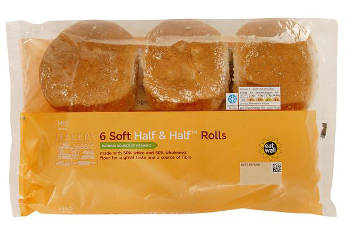
That's probably because our kids don't go outside enough anymore to enjoy a little sunshine (when it's out there). So the only way left for them to get their vitamin D requirement has to be brought by the food: oily fish (salmon, mackerel, sardines) and eggs. It also comes in some fortified breakfast cereals, dairy products or drinks. Good news: since last week, and it's a first in the food retailing market, all Marks & Spencer's packaged breads and rolls are enriched with vitamin D, two slices of bread providing at least 15% of the necessary dose each day. The M&S 70 different types of bread now all contain yeast that has been exposed to UV light to naturally raise its vitamin D level. M&S is actually responding to a customer survey they've made: 78% of nearly 2,500 people said they would appreciate vitamin enriched goods. Since bread is food staple, this should help improve everyone's vitamin D needs.
*Photo: via Mirror.co.uk
News in the same category
Musgrave, Ireland’s 140 year old food wholesaling and retailing giant, is having a nibble at the fast-food market in Northern Island. Musgrave’s business interests now cover Ireland, Northern Ireland and Spain.
The Blizzident Company has just launched a toothbrush, tailored to the form of each customer's teeth. Similar to a boxer's gum shield, with around 400 bristles, the Blizzident cleans teeth, tongue and gums in 6 seconds.
When the patisserie world meets the prison world, the result is gourmet and committed. Whether it is the Bad Boy's Bakery biscuits created by Gordon Ramsey or the Zonzon project, the aim is to combine reinsertion and gourmet pleasures.
In British culture, it is fair to say that M&S has long been regarded as the kind of food shop that you visit when you want to host or entertain in a slightly more upscale fashion than normal.